Craft · The chairs

One shop.
Many hands.

Tony built a roster that looks like him: lifelong barbers from families of barbers — Paraguay, Montreal, Sicily, the Watergate, the National Press Club.

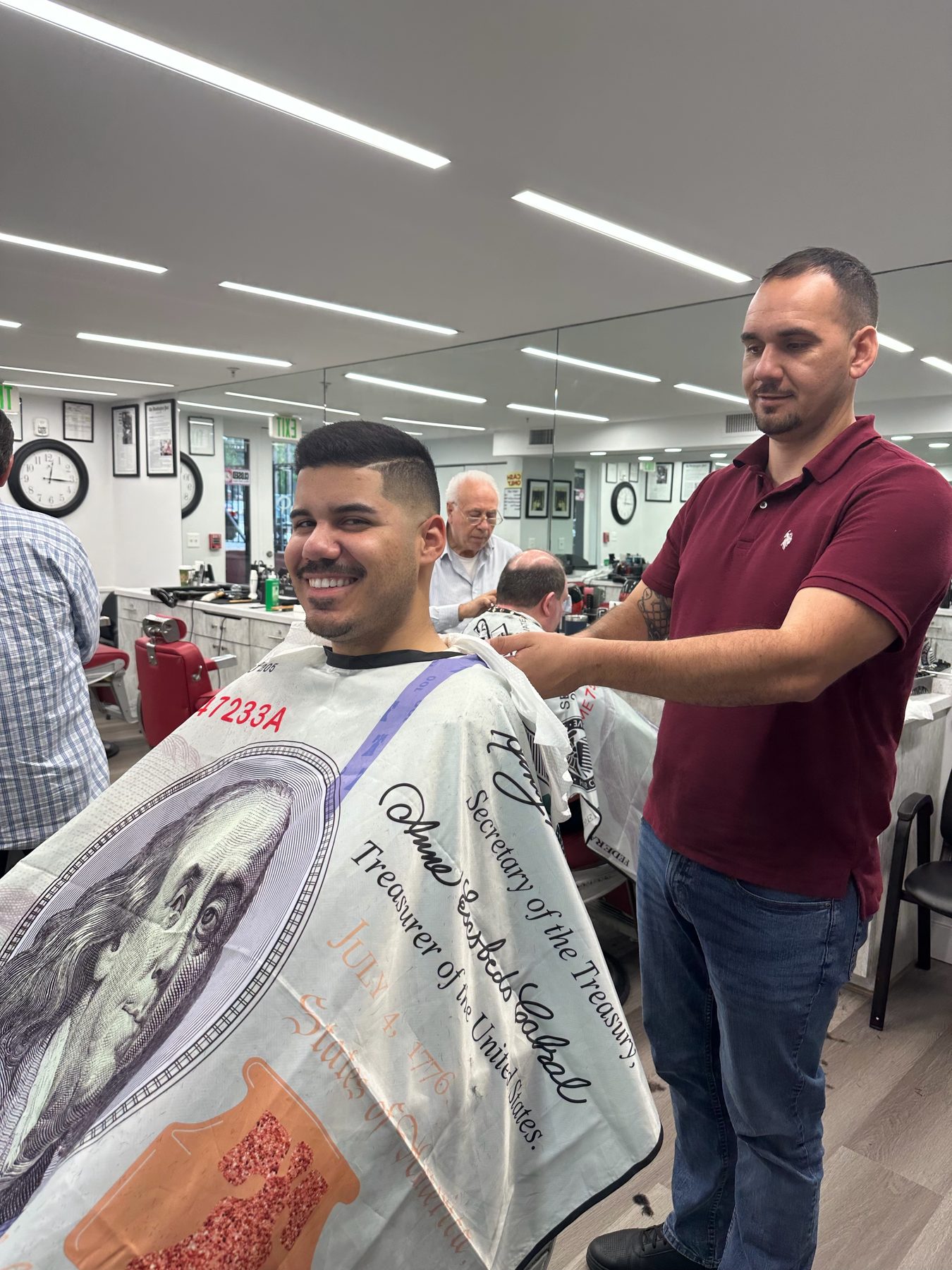
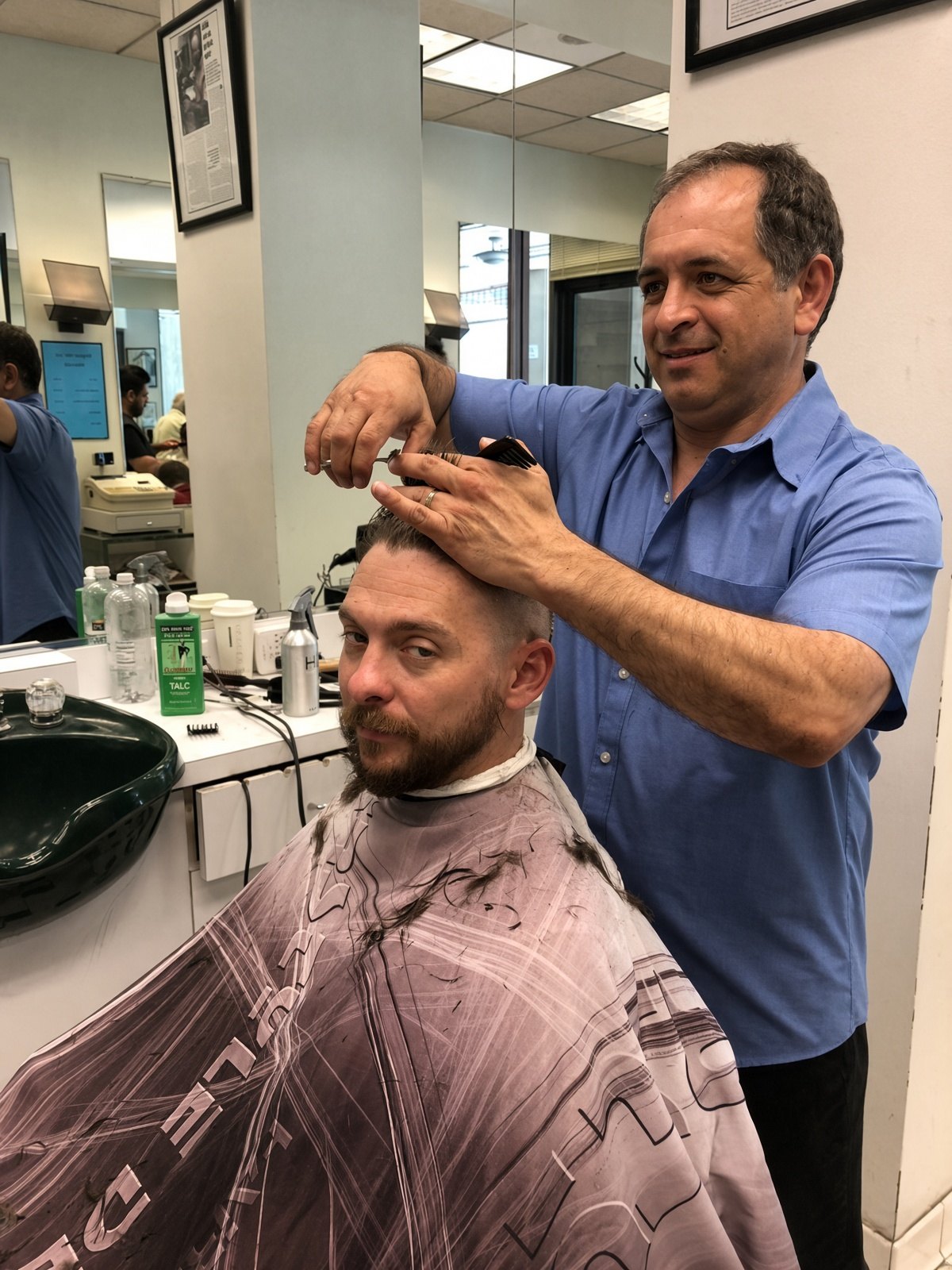
Barber shaping a scissor cut at a Puglisi chair, framed press on the wall behind

A barbershop is not a logo. It is a line of chairs and the people who stand behind them long enough that customers stop explaining what they want. When DCist visited in May 2019, Tony Puglisi was finishing a cut in the back while the room filled with chatter and hair on the floor. Asked for the secret to a good haircut, he did not invent a manifesto. “Just listening to people,” he said. “If they ask for a certain style or way they want [their hair], do it the way they want.”

That ethic is why the barbers sound less like staff and more like family. “We’re family. You know, they are like my own boys,” Tony told DCist when asked how he inspired loyalty. WJLA heard the succession version months later: he was giving them part of the business. Eventually they would take over. He still did not want to retire.

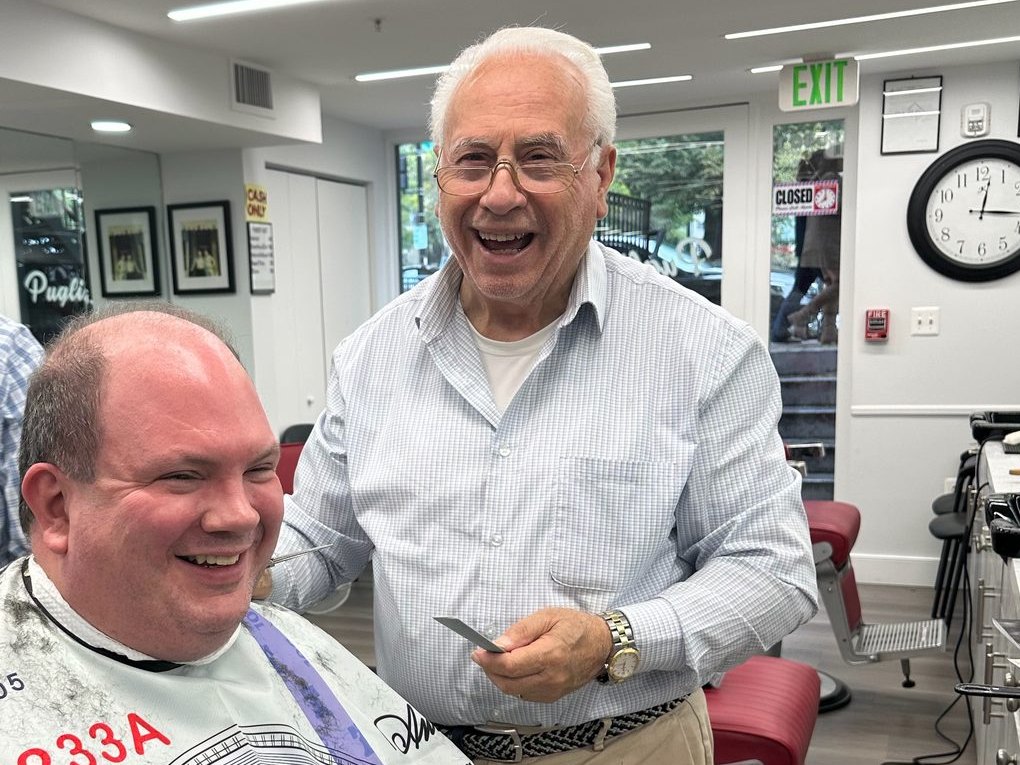
Four of the people DCist met that spring still stand behind these chairs.
The barbers

The chairs.

Sicily · Owner

Tony (Antonio) Puglisi

Apprenticed in Sicily, cut hair in Rome, and opened the first shop here on April 23, 1960. Still the owner, still in the room. No politics and no religion in the chair.

Tony’s story →
Paraguay · With Tony since 1989

Abel Gaona

Father, uncle, and aunt in the hair business. Hired at nineteen. “The best thing that ever happened to me was finding Tony. He’s like a father to me.” Spanish at the chair.

Read the DCist profile ↗
Montreal · With Tony since 1988

José Domingos

Grew up in Montreal in a Portuguese family of barbers; his father cut hair in Canada and Argentina. Started at fifteen sweeping the floor. Customers still ask for José by name. Portuguese and French at the chair.

Em português →
Paraguay · With Tony since 2017

David Gaona

Abel’s brother. Twenty-five years of cutting at the Watergate and the National Press Club before he joined his brother on I Street. Spanish at the chair.

En español →

Ask for anyone by name, or take the next chair open. Hours and the stairs →

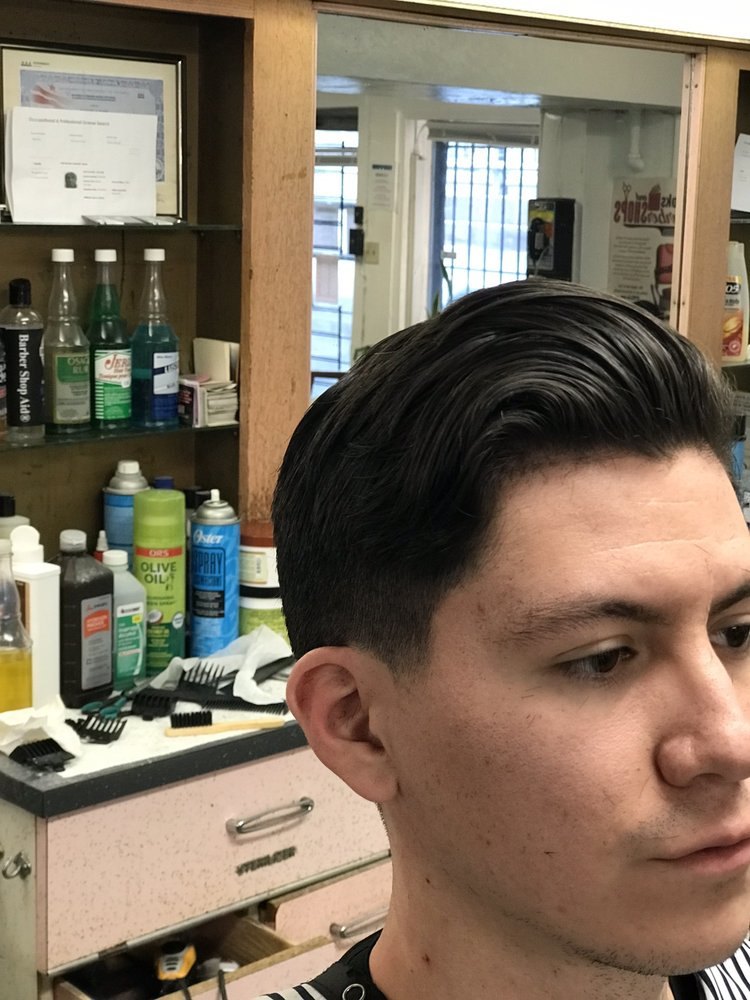
Fresh classic cut beside the station's tonic bottles Classic cuts · patient fades · recovery cuts
What the room is for

GW lore.
Regulars who sit silent.

Babak Hoghooghi told DCist he had been coming since 1991: “I don’t have to say anything anymore. I just sit down.” GW professor Joseph Levi keeps returning in part to speak Italian with Tony. The Hatchet noted Trachtenberg’s roughly six cuts a year. News anchors, students, office workers, and government officials share the same fluorescent light.

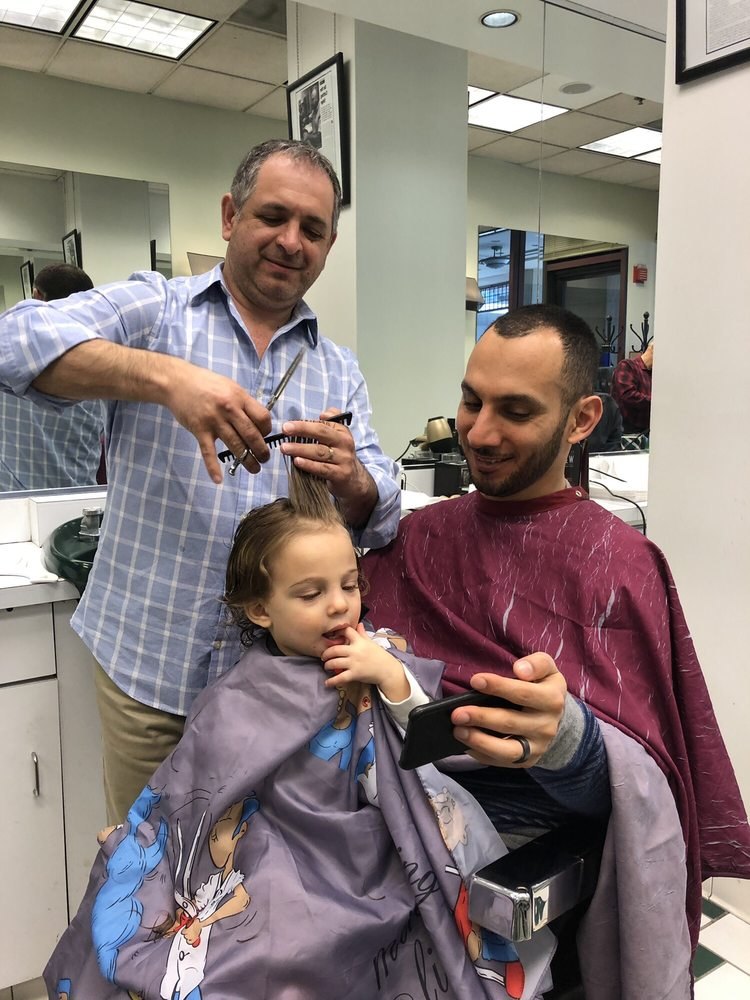
Fades take time. Mistakes show. Kids are welcome — fathers hold phones, toddlers watch cartoons under cartoon capes. The work is unhurried on purpose.

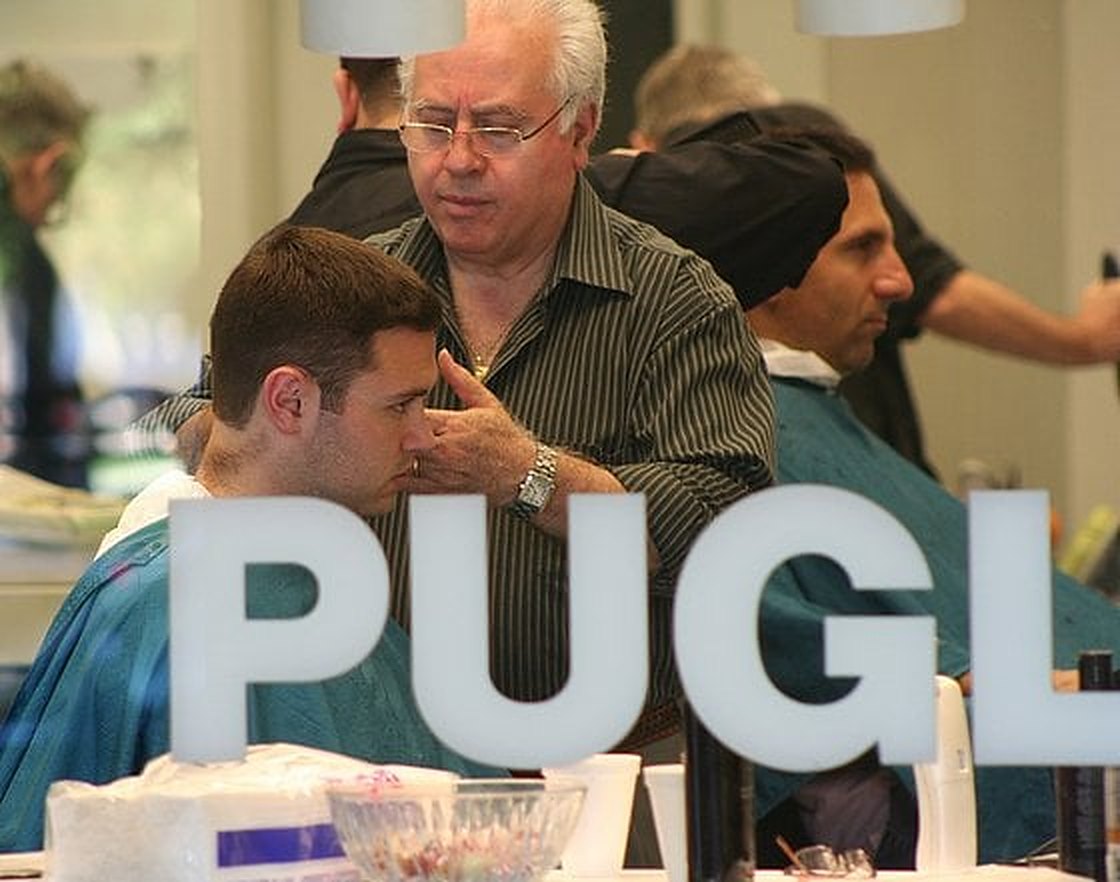
The letters PUGL reflected in the mirror while two barbers work behind them The name in the glass
The tools

Shears. Comb.
Listen again.

No package names, no product wall. The letters on the mirror are the branding; the craft is scissors, clippers, a straight razor when the chair calls for it, and barbers who have stood behind these chairs for decades.

Walk in
“I watched [my dad] every day while sweeping the floors. It just felt natural.”
José Domingos · DCist, June 2019

Craft here is not a menu of invented package names. It is classic cuts, walk-ins, cash on the counter, a straight razor on the neck when the chair calls for it, and the patience to fix a bad cut someone else left behind — José especially. Prices have climbed the way prices do: $1.50 in 1960, about $40 today. There is no laminated menu. Bring cash and ask the chair.

The shop speaks English, Spanish, Portuguese, French, and Italian. Bring a photo of what you want, be specific, and be patient. The immigrant roster is how Tony hired people who already understood the trade as inheritance.

Quotes from DCist (2019), WJLA (2019) and The GW Hatchet, linked on the Press page.

Ready

Walk in.
Take a chair.